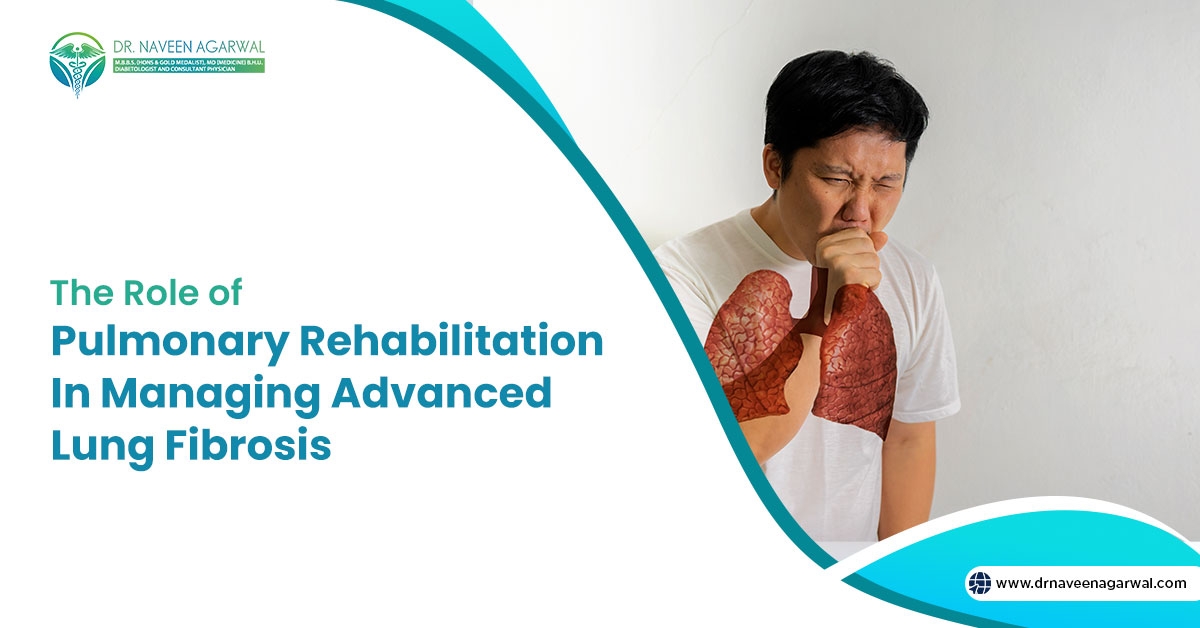


Breathing becomes something you notice only when it starts feeling difficult. For people living with lung fibrosis, even small daily activities can feel tiring and uncomfortable. Walking, talking, or doing household work may leave them short of breath and frustrated.
Along with medicines, many patients now seek ways to feel stronger and manage their daily routines more effectively. That’s why pulmonary fibrosis treatment in Siliguri often includes pulmonary rehabilitation, which focuses on improving breathing, energy levels, and overall comfort in everyday life.
How Advanced Lung Fibrosis Changes Daily Breathing
Lung fibrosis happens when lung tissue becomes scarred and stiff over time. Because of this scarring, the lungs cannot expand fully, and oxygen has a harder time reaching the body. As the disease progresses, breathing becomes more difficult, even during rest.
People with advanced lung fibrosis often experience:
- Constant shortness of breath
- Tiredness even after small activities
- A dry, long-lasting cough
- Poor sleep due to breathing discomfort
- Anxiety or fear related to breathlessness
Medicines are important to slow the disease, but they cannot reverse the scarring. That’s why supportive care like pulmonary rehabilitation plays a key role in improving daily comfort and quality of life.
How Pulmonary Rehabilitation Supports Better Breathing
Pulmonary rehabilitation is a guided program designed for people with long-term lung conditions. It brings together exercise, breathing training, education, and emotional support in one place.
The program is always adjusted to the patient’s condition. It is not about pushing the body too hard. Instead, it focuses on helping patients move safely, breathe more easily, and feel more in control of their health.
Pulmonary rehabilitation usually includes:
- Gentle physical exercises
- Breathing techniques
- Education about lung health
- Tips for managing daily activities
- Emotional and mental support
Why Pulmonary Rehabilitation Is Important in Lung Fibrosis
When breathing becomes difficult, many people naturally avoid activity. Over time, this leads to muscle weakness, poor stamina, and increased breathlessness. This cycle makes daily life even harder.
Pulmonary rehabilitation helps break this cycle by:
- Strengthening muscles so they use oxygen better
- Teaching better breathing habits
- Reducing fear and panic during breathless moments
- Helping patients stay active without overexertion
Even small improvements can make a big difference in confidence and independence.
.png)
Simple Breathing Tips That Actually Help
One of the most helpful parts of pulmonary rehabilitation is learning how to breathe properly. Many people unknowingly breathe in a way that increases discomfort.
Simple techniques taught during rehabilitation include:
- Slow breathing to calm the body
- Breathing out longer than breathing in to reduce breathlessness
- Using the diaphragm instead of the chest
These techniques help patients recover faster after activity and feel more relaxed during daily tasks.
Staying Active Without Feeling Exhausted
Exercise may sound scary for someone with lung fibrosis, but rehabilitation programs focus on gentle and controlled movements. These exercises are done under supervision and are adjusted to each person’s comfort level.
Common exercises include:
- Short, slow walks
- Light arm and leg movements
- Sitting or standing balance exercises
Over time, patients often notice they can move a little more without feeling as tired. This helps with everyday activities like cooking, dressing, or walking indoors.
Simple Habits That Help When Breathing Feels Hard
Pulmonary rehabilitation also teaches practical ways to handle breathlessness during routine tasks. Patients learn how to:
- Take breaks at the right time
- Use proper posture while walking or sitting
- Plan activities to avoid exhaustion
- Combine movement with breathing techniques
These small changes make daily life less stressful and more manageable.
Caring for the Mind Along With the Lungs
Living with advanced lung fibrosis can affect mental health. Constant breathlessness may lead to fear, frustration, or sadness. Many patients worry about losing independence or becoming a burden on others.
Pulmonary rehabilitation provides emotional support by:
- Helping patients understand their condition better
- Reducing anxiety related to breathing
- Encouraging a positive mindset
- Offering a sense of routine and control
Feeling emotionally supported often makes physical symptoms easier to handle.
Why Knowing More Can Make Things Easier
Education is an important part of pulmonary rehabilitation. When patients understand what is happening in their lungs, they feel less confused and more prepared.
Educational sessions may cover:
- How lung fibrosis affects breathing
- How to use oxygen safely if prescribed
- How to recognize warning signs
- How to manage energy during the day
This knowledge helps both patients and caregivers feel more confident.
How Food Affects Your Energy and Breathing
Good nutrition supports overall health and energy. Some people with lung fibrosis lose weight due to poor appetite or fatigue, while others gain weight due to reduced activity.
Pulmonary rehabilitation may include simple nutrition advice to help:
- Maintain a healthy weight
- Improve energy levels
- Avoid foods that cause discomfort or bloating
Even small dietary changes can improve how the body feels during daily activities.
Knowing When Pulmonary Rehabilitation Can Help
Pulmonary rehabilitation can help at many stages of lung fibrosis, but it becomes especially useful when symptoms start interfering with daily life.
It may be time to consider rehabilitation if:
- Walking short distances feels difficult
- Daily chores feel exhausting
- Anxiety increases due to breathing problems
- Physical activity is slowly decreasing
Starting early often leads to better long-term comfort and confidence.
How Safe Is Pulmonary Rehabilitation?
Yes, pulmonary rehabilitation is generally safe when guided by trained professionals. Exercises and activities are carefully monitored, and patients are never pushed beyond their limits.
Before starting, a medical evaluation helps ensure the program matches the patient’s health condition and abilities.
How Pulmonary Rehabilitation Fits Into Overall Treatment
Pulmonary rehabilitation works best when combined with medical treatment, regular check-ups, and lifestyle adjustments. It does not replace medicines, but it supports overall care by improving physical strength and emotional well-being.
For those seeking comprehensive pulmonary fibrosis treatment in Siliguri, rehabilitation can add comfort, confidence, and better daily function to the treatment plan.
Final Thoughts
Living with advanced lung fibrosis is challenging, but the right support can make daily life feel more manageable. Pulmonary rehabilitation doesn’t promise miracles, yet it helps people breathe a little easier, move with more confidence, and feel less afraid of everyday activities.
Over time, even small improvements can bring comfort and a sense of control back into daily routines. For those considering pulmonary fibrosis treatment in Siliguri, a consultation with Dr. Naveen Agrawal can help you see how pulmonary rehabilitation may support your daily comfort and breathing.